
Quick answer
Choose one or two pages that fit the group, print a test, and set out a small shared supply of coloring tools. Give a clear start and finish option, then leave room for students to choose their own colors or stop when they are ready.
Key ideas
- Check school copying and image-use rules before printing a set.
- Offer a small choice of pages and materials to reduce setup decisions.
- Plan a simple cleanup and an optional place to display or take work home.
Set one simple purpose
Decide whether the activity is a quiet transition, a short creative break, or a way to respond to a class topic. A single purpose helps you choose a suitable page and set a realistic time. Coloring does not need to be presented as a lesson unless it is part of one.
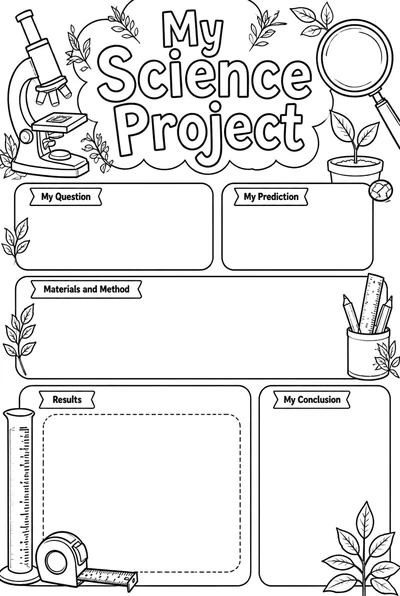
If the page connects to a book, science unit, or seasonal theme, say what students can notice or add. If it is simply a break, make that clear too. A small invitation gives students a starting point without making every result look the same.
Choose pages before preparing supplies
Offer a small selection rather than a stack of unrelated sheets. One familiar subject and one more open-ended option can be enough. Review every page for age-appropriate content, clear lines, and a level of detail that fits the time available.
Check local school rules for copying and using images, especially if pages come from outside the school's licensed materials. Print a sample first to make sure the file fits the paper and the printer does not crop important edges.
Make materials easy to share
Place a manageable set of crayons or pencils at each table, with a shared backup nearby. If supplies are limited, invite students to work in pairs or rotate colors. Labeling containers makes cleanup faster and helps the materials return to the right place.
Keep a few blank sheets available for students who want to draw their own additions. A separate scrap page can also protect desks when markers or paint are part of the plan. Choose materials that match classroom policy and student needs.
Use a predictable start and finish
Give a short invitation, point out where to find materials, and explain how students can ask for help. A visible time cue can help with transitions, but avoid requiring everyone to finish the page before moving on. Some students may prefer to continue later.
Decide in advance whether finished pages go home, into a folder, or on a temporary display. Tell students what will happen to their work and give them a chance to take it with them when appropriate.
Reset the room with a small routine
End with one cleanup sequence: return shared tools, stack unused pages, and place finished work in the agreed spot. A consistent routine makes the activity easier to repeat and helps students take responsibility for the space.
Afterward, note what took extra time and which pages worked well at the printed size. Use that observation to simplify the next session. You do not need a large event plan to create a calm, creative pause in the school day.
Browse printable pages
Choose a ready-to-print page that fits your class activity.