Quick answer
Age can be a starting clue, but it is not a rule. Look at the size of the spaces, the child's comfort with the materials, and how long the activity will last. A quick print test is more useful than choosing by an age label alone.
Key ideas
- Start with larger shapes for a short activity or a child who wants quick progress.
- Add detail when it supports the subject or gives an interested child more to explore.
- Print at the intended size and check the smallest areas before sharing copies.
Treat age as a clue, not a promise
Children of the same age can enjoy very different kinds of pages. One may want a few large shapes and a quick finish; another may happily spend a long time on small patterns. Notice what the child already chooses and how much time the activity needs to fill.
A page that feels easy for one child may feel repetitive to another. Offer two levels when possible and let the child choose. The goal is a page they can approach with confidence, not a test of how carefully they can stay inside every line.
Read the page by its open spaces
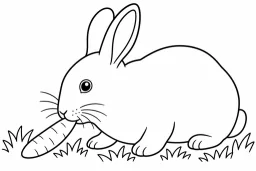
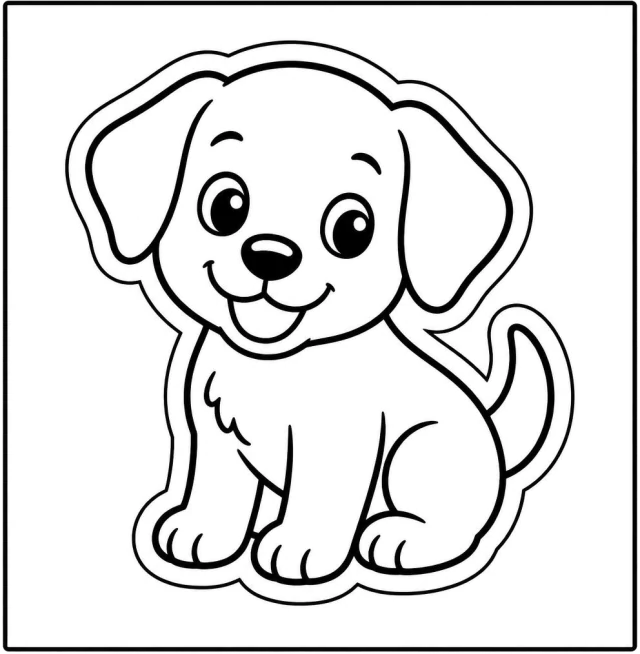
Look at the smallest enclosed areas first. If they are narrower than the crayon or marker, or packed tightly together, the drawing may be frustrating at its printed size. Broad spaces leave room for ordinary coloring tools and make it easier to see progress.
The outside contour matters too. A recognizable silhouette helps a child understand what the picture shows before they begin. Interior details are most useful when they clarify an important feature or create a satisfying area to color.
Match detail to time and materials
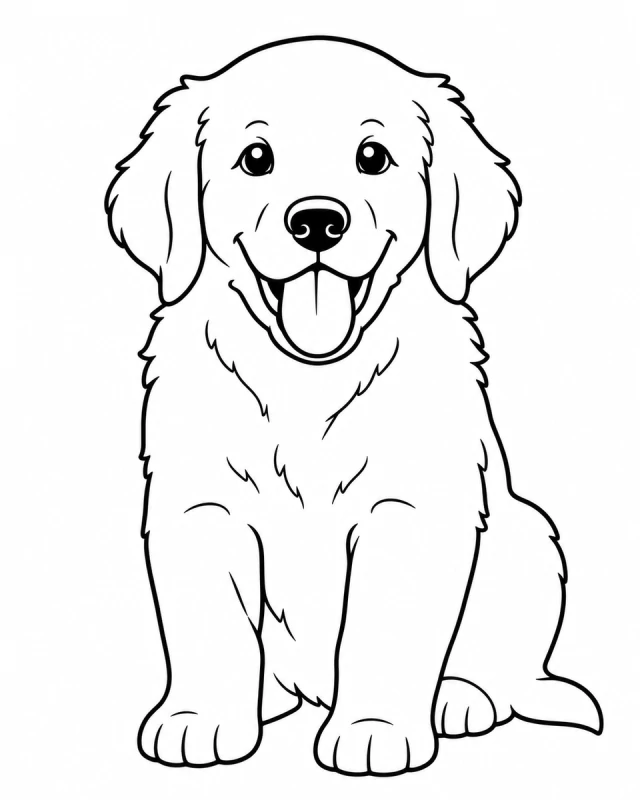
For a short station, waiting-room activity, or group with limited supplies, choose fewer large regions. A longer project with colored pencils can support more small shapes, especially when the child has asked for a challenge. Thick crayons need more space than sharpened pencils.
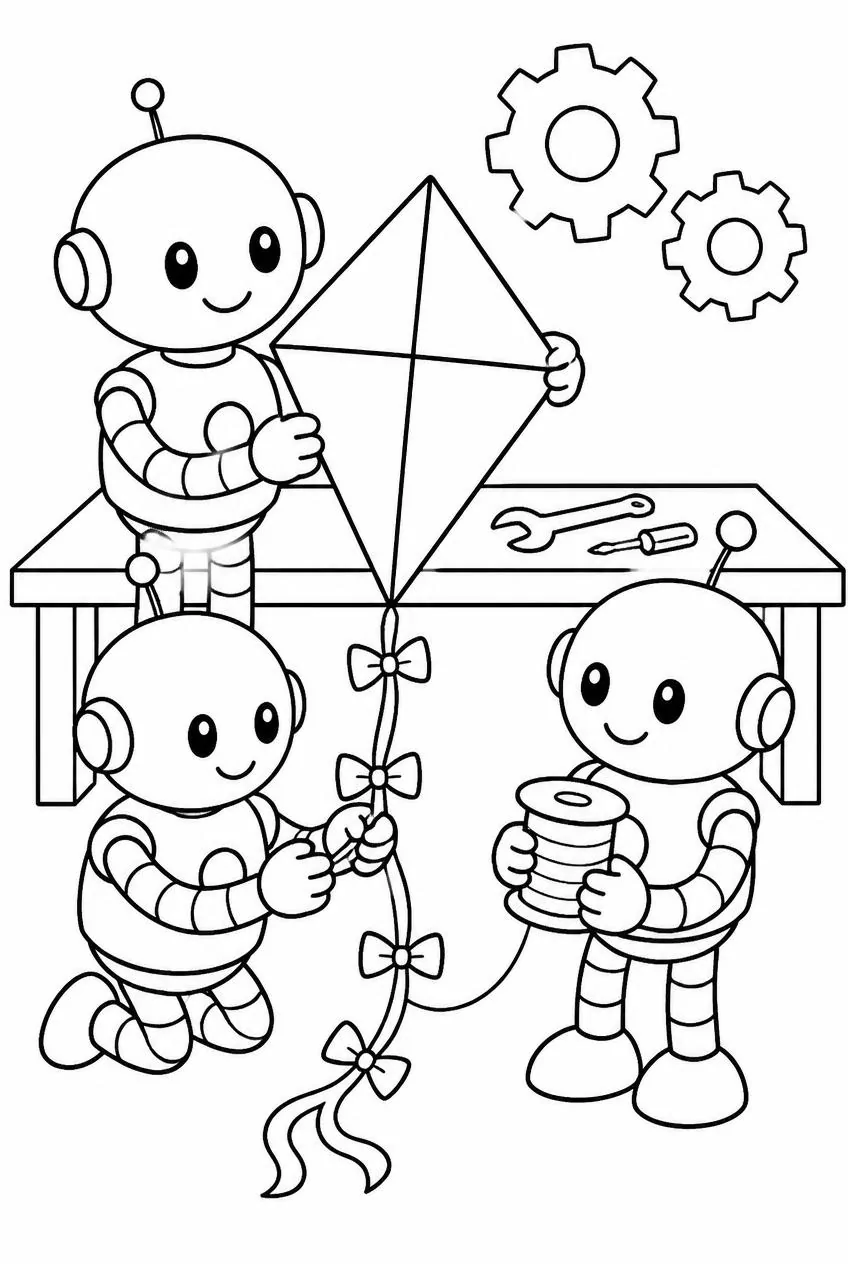
If the activity is shared, provide a simple page and an optional detailed page. Children can finish at different speeds without one version being labeled the easy or better choice. A larger print can also make a familiar design more comfortable to use.
Use a quick print check
Print one copy using the paper and printer settings planned for the group. Check whether lines remain visible, whether margins keep the whole image on the page, and whether the smallest spaces are still practical. A zoomed screen preview can hide all three problems.
If the page is too busy, choose a simpler mode or remove background detail. If the subject is hard to recognize, keep the main outline and a few identity-bearing features. Change one thing at a time so the next version answers a clear question.
Let the child decide when it is enough
Some children want to fill every section; others prefer to add a background, pattern, or new detail of their own. Both are valid ways to use the page. Avoid turning completion into a requirement unless the activity has a specific learning objective.
Ask a simple preference question before printing a set: more open space, more small details, or about the same? That feedback is more useful than assuming every child in a grade wants an identical level of complexity.
Choose a coloring mode
Make a printable page from a photo and adjust the detail to fit the activity.